
By Rob Clegg.
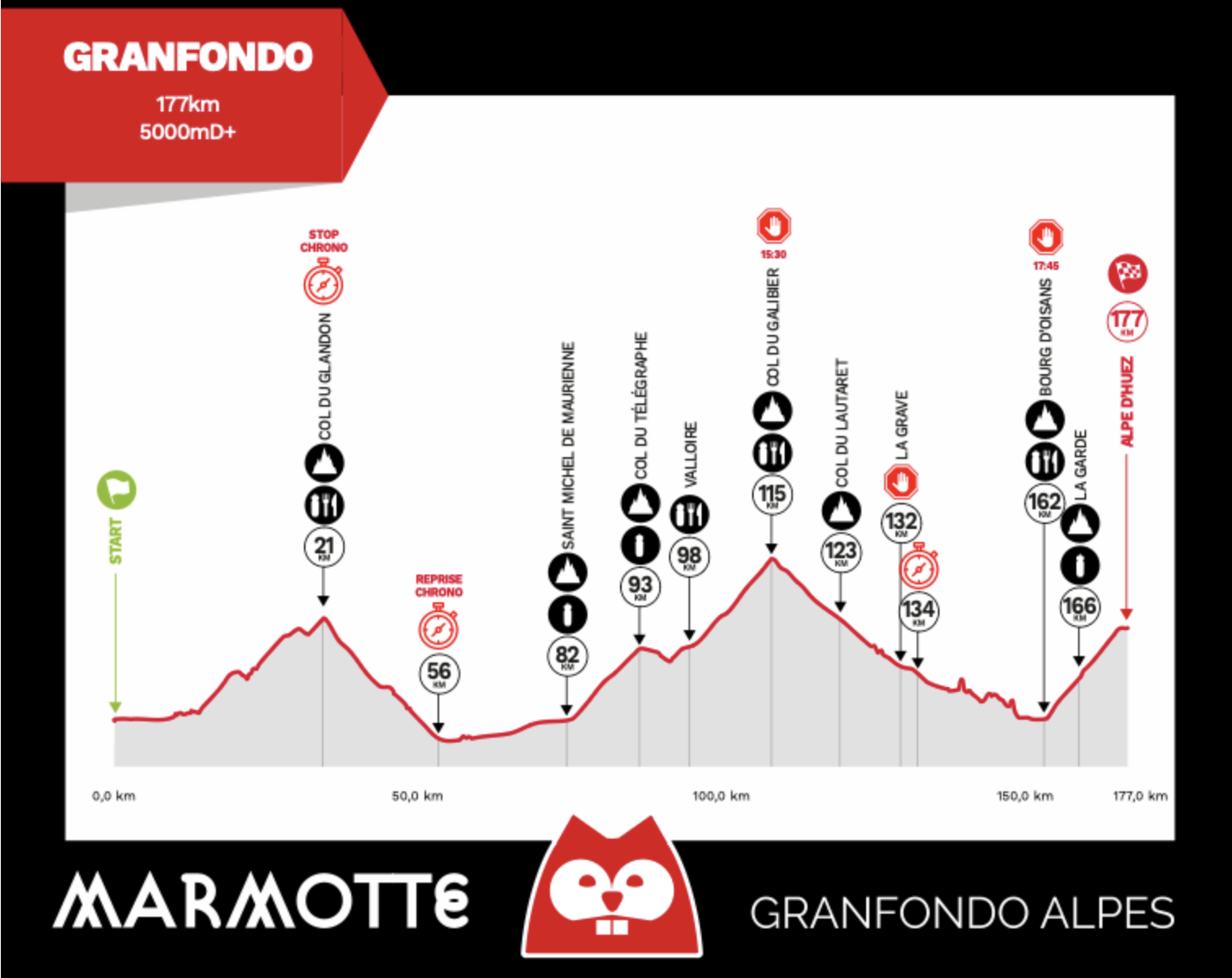
La Marmotte is often described as one of Europe’s toughest sportifs — a brutal combination of distance, elevation, heat, and altitude. The route packs more than 5,000 metres of climbing over 177 kilometres, frequently in mid–high 30°C temperatures. Around 7,500 riders from across the world descend on Bourg d’Oisans at 6 a.m. each June to take on the challenge. The basis of the route is used regularly on the Tour and the 2026 Queen stage was a close match.
Training in the UK
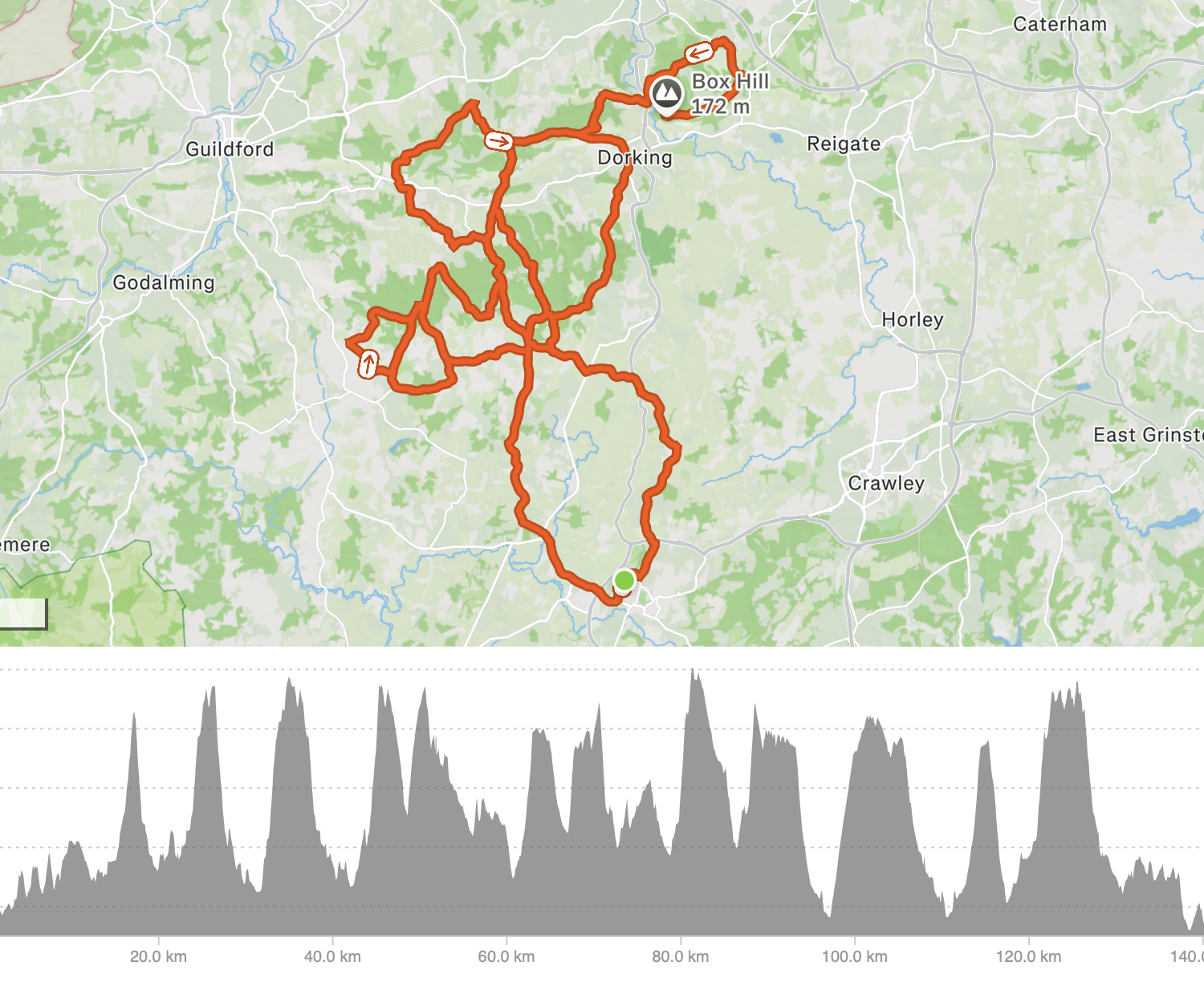
Preparing for hour long plus Alpine ascents in the UK is tricky. There’s nowhere to easily replicate the sustained effort. My approach was getting in a good base with the Winter Challenge, long weekend rides with as much climbing as possible, and higher intensity midweek threshold work using club TT’s as a motivator, supported by using the climb portal on Zwift. Useful, but always the lingering doubt that you really don’t know if you’re prepared enough.
Arrival in Alpe d’Huez
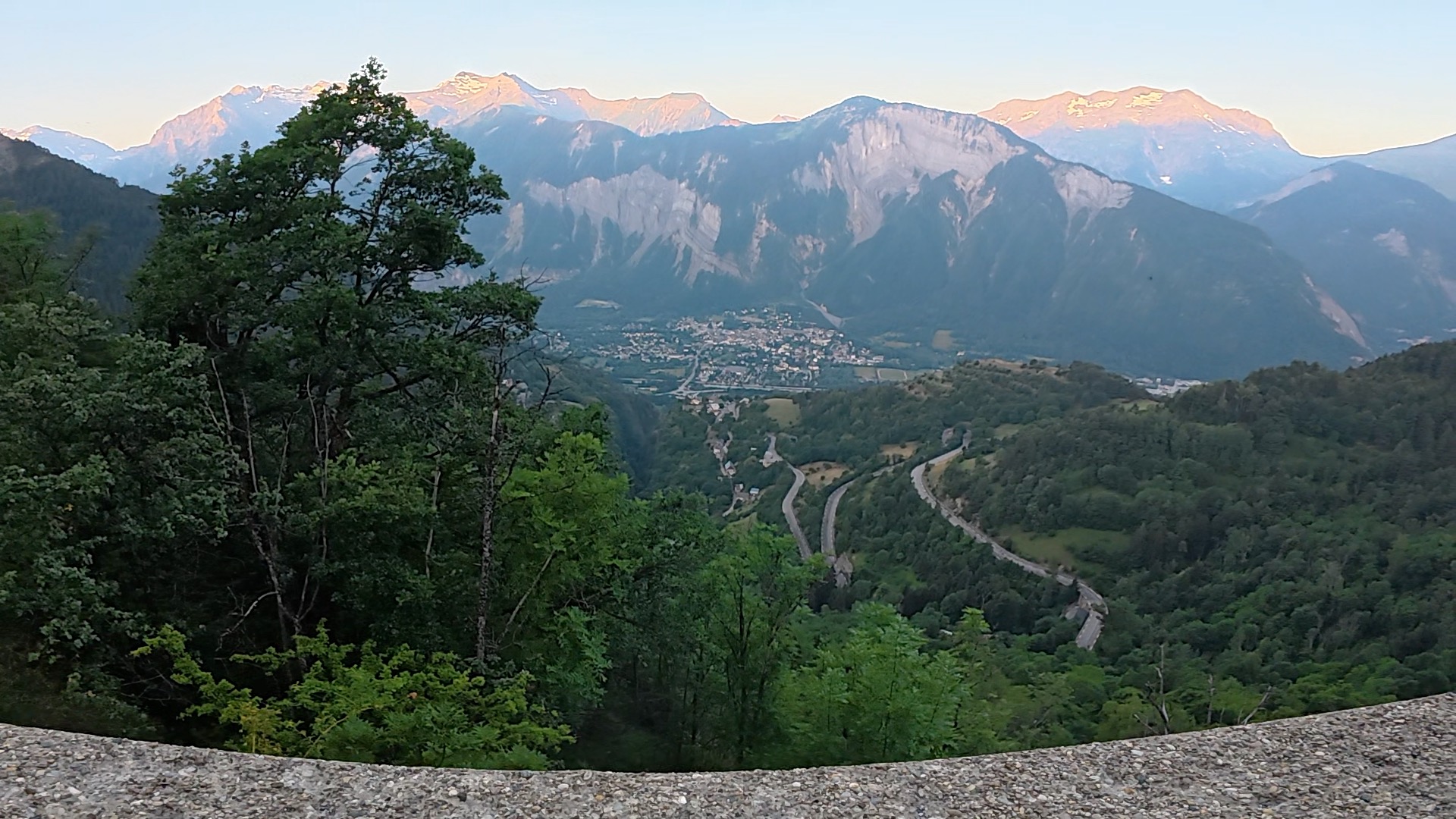
I travelled with my super supportive wife Kath and based ourselves in Alpe d’Huez, home of the finish and the pre‑event expo. We arrived on Friday, giving Saturday to relax and prepare. If the nerves weren’t already jangling then driving up the famous 21 hairpins really brings it home — each bend marked with the name of a rider who has won atop the climb. You realised what a mecca this place is for cyclists as a steady stream were making their way up all day.
I love Alpine resorts in summer: wooden chalets, snow‑capped peaks, and crisp air. A pre-event expo where you get your number added to the atmosphere (and my cycling wardrobe). Even at altitude the heatwave lingered — cooler nights, but stifling daytime temperatures.
On the eve of the event I freewheeled down a couple of turns before riding back up to the summit, pondering on how I’d feel at that same point 24 hours later.
Race Day
The hotel laid on an early breakfast. Conversation was minimal — everyone quietly contemplating the day ahead. The descent to the start takes about 20 minutes. I’d been advised to bring a disposable boiler suit for the way down, but the lingering heat from the heatwave meant there was no need.
I knew I was in the blue wave to start but had a sudden panic about my race label being yellow and slipped through into that funnel, this meant I somehow managed to go through the start on my own and had a unique lonely start to the event.
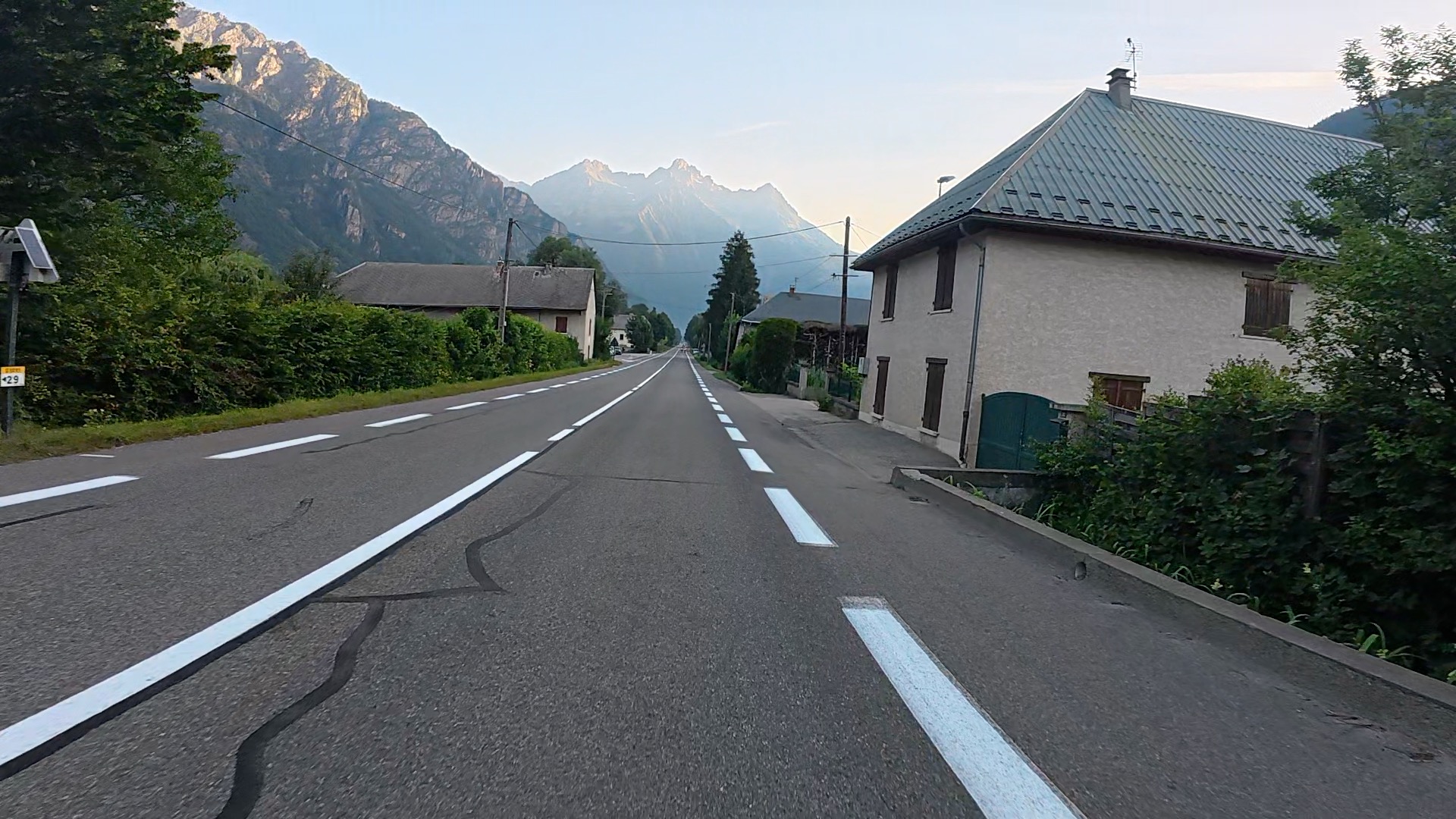
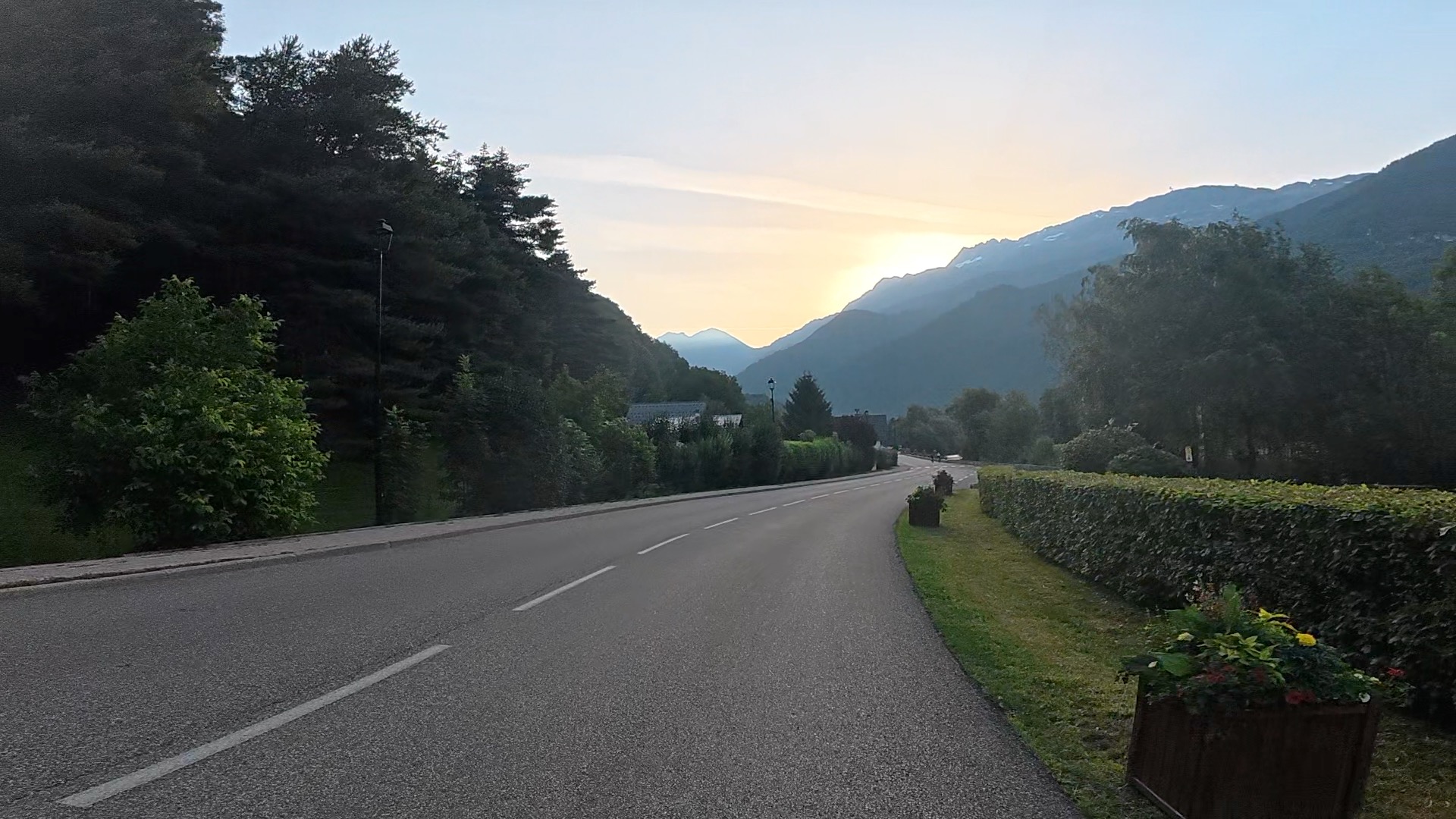
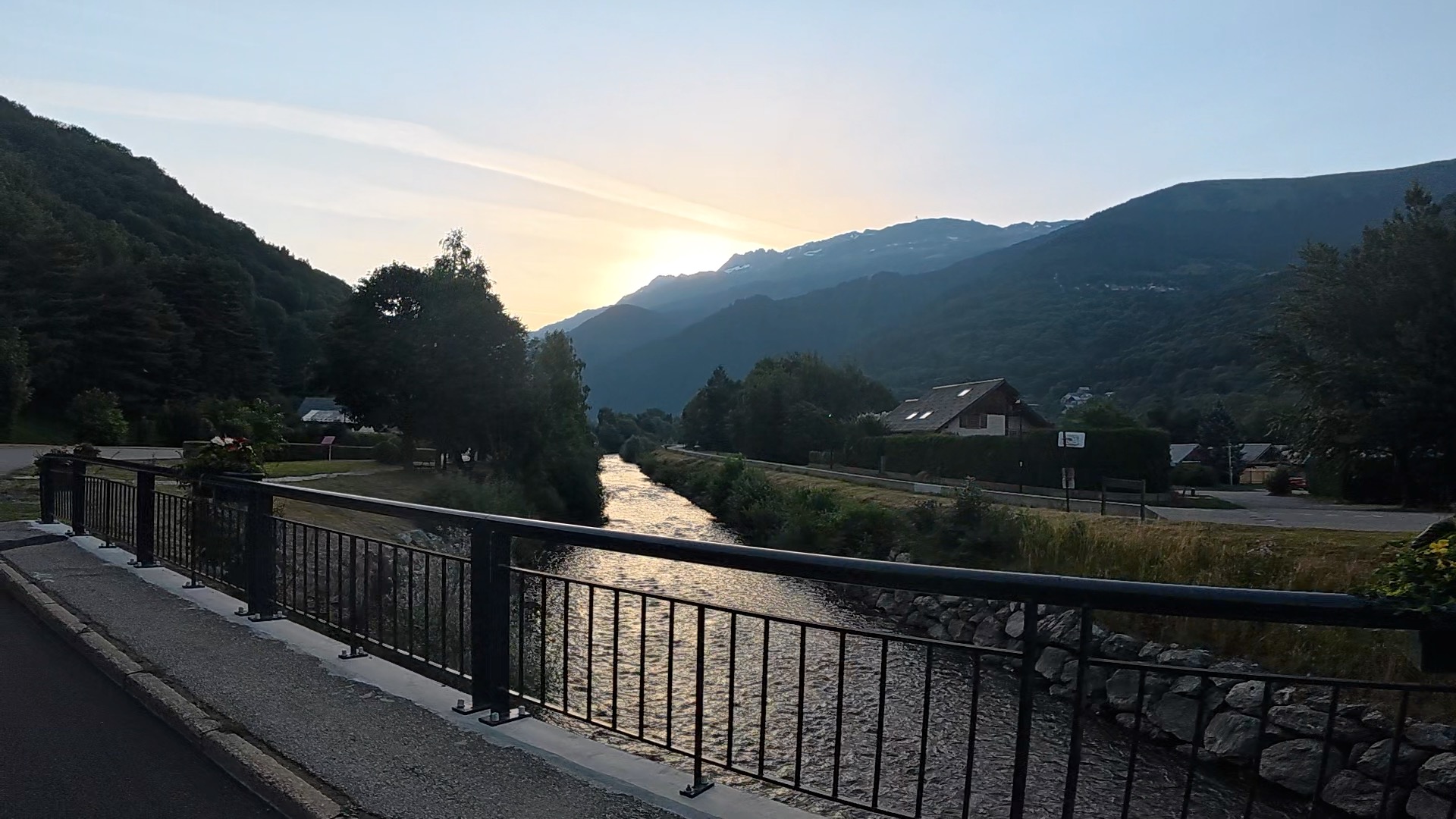
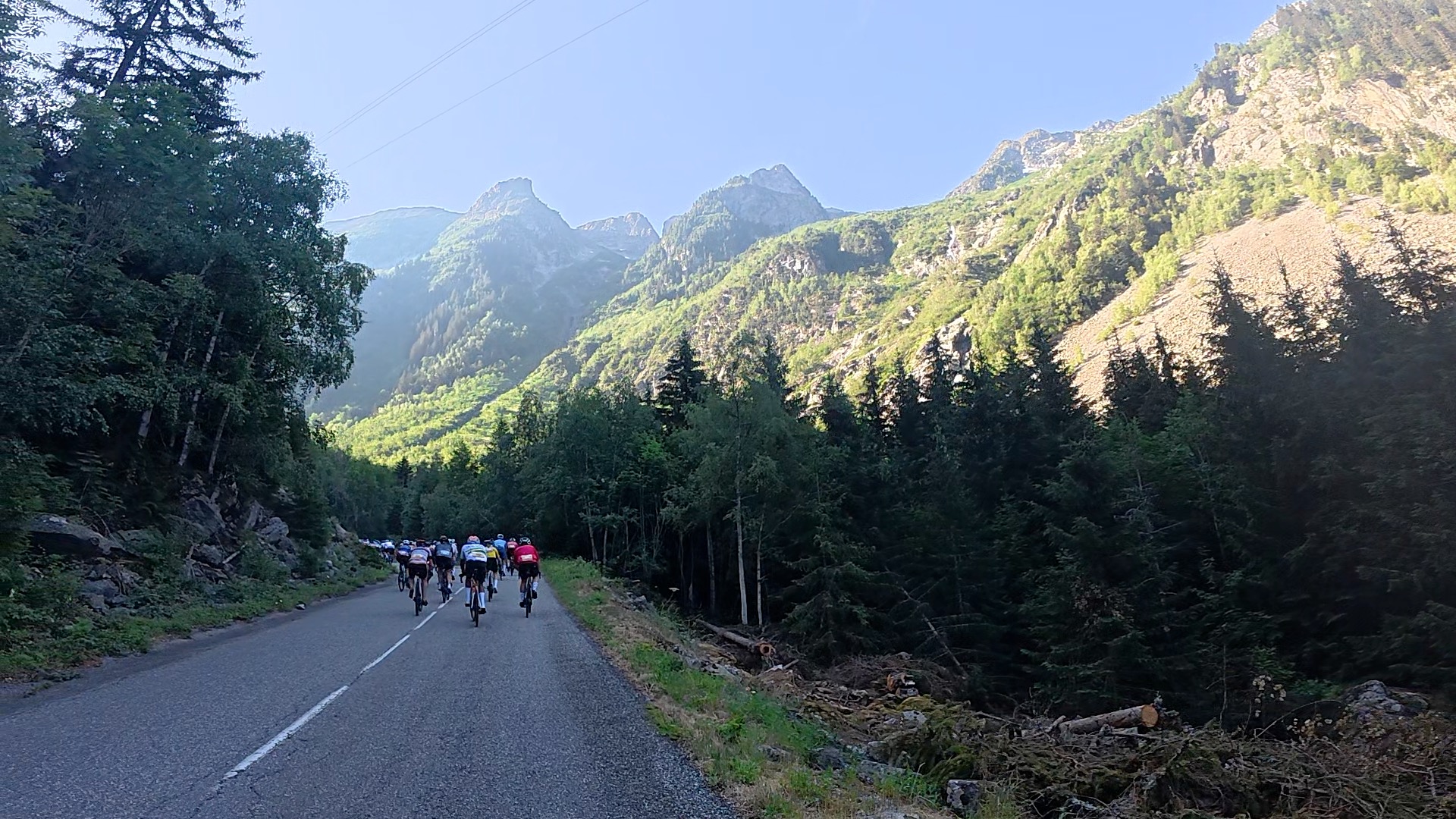
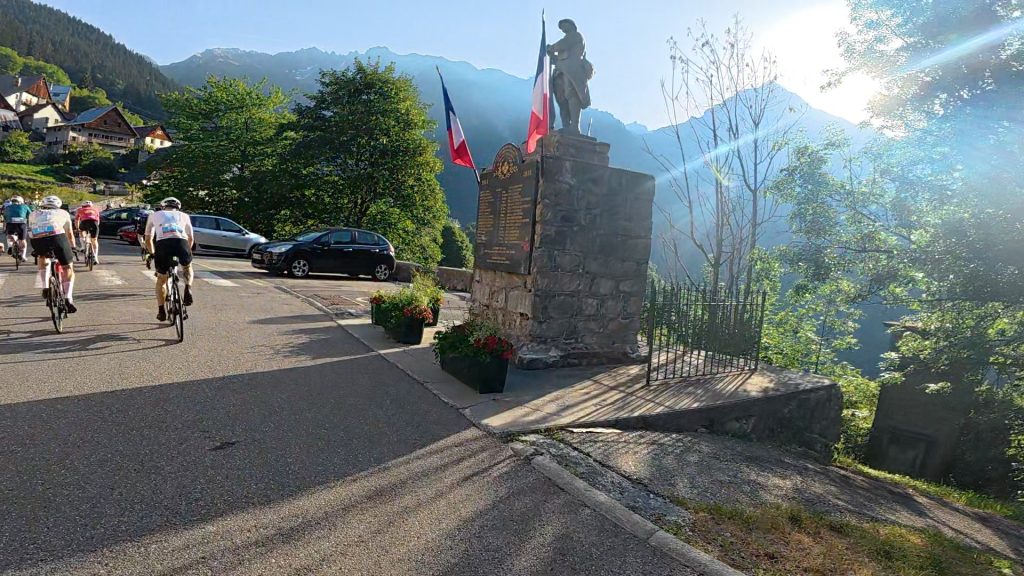
The approach to the Col du Glandon was beautiful, and we made our way up the valley up with the sun rising behind the mountains in the distance.
Col du Glandon
The opening climb of the day is 21.3 km, 1,472 m, 6.9% average, with the final kilometres over 10%. I stopped at the bottom for a nature break and ended up helping out an American rider whose saddle had dropped who had no tool. Good deed done I settled into the climb allowing those with early enthusiasm to go past. The scenery there is spectacular — reservoirs, valleys, and huge vistas.
The descent off the Glandon is famously technical; La Marmotte neutralises timing here, but despite probably only descending at half the pro’s speed, I almost felt like one with the euphoria of the first climb behind.
The Valley
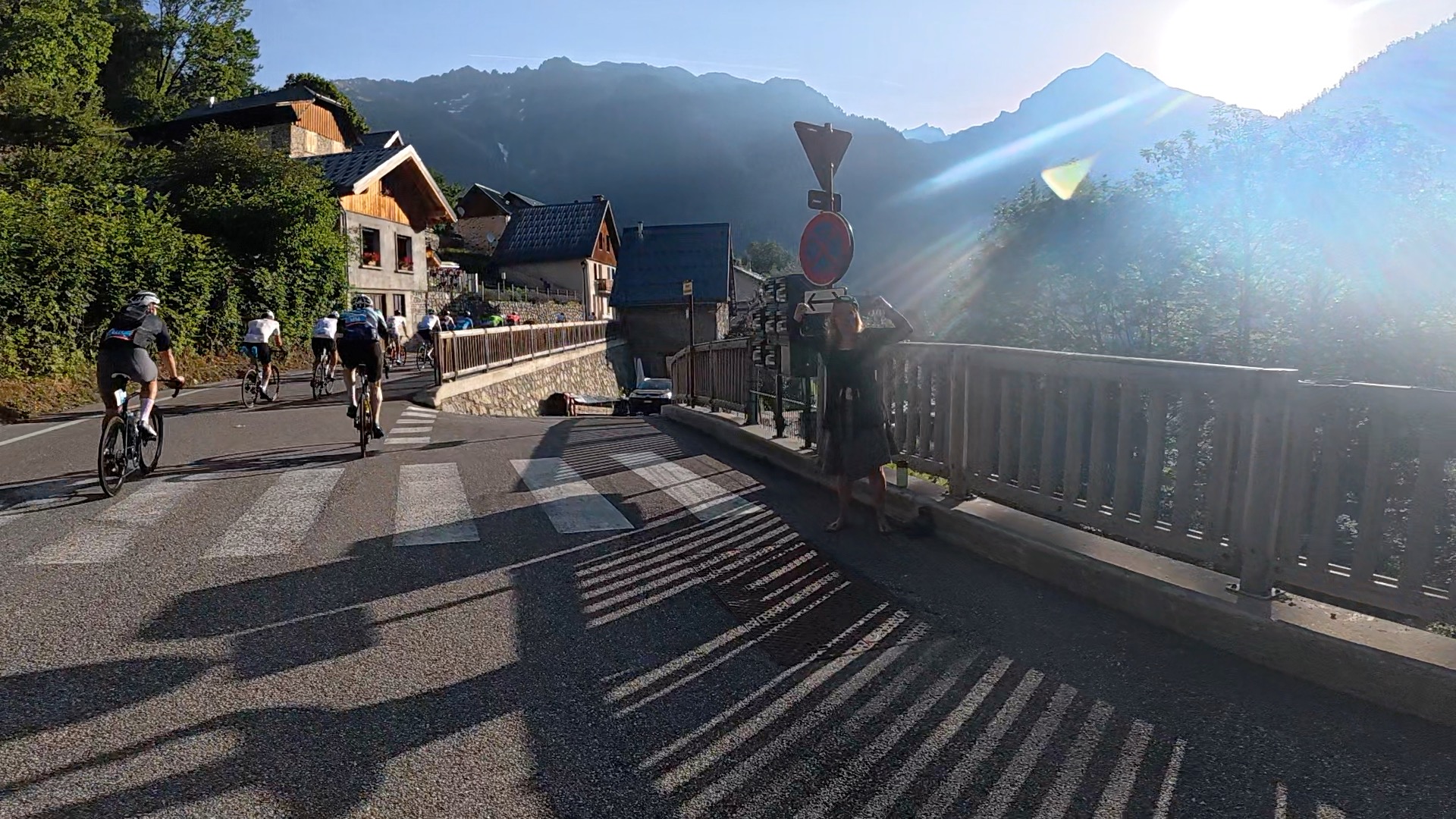
A long, flat-ish valley section follows. The advice I’d had from Richard who’d ridden the event before was not to burn matches here, but it’s hard balancing group pace versus riding your own tempo. In a later conversation with riders some said their Garmin’s reported 40 degrees. I mixed group and solo riding, hoping I’d saved enough matches for what was coming.
Col du Télégraphe
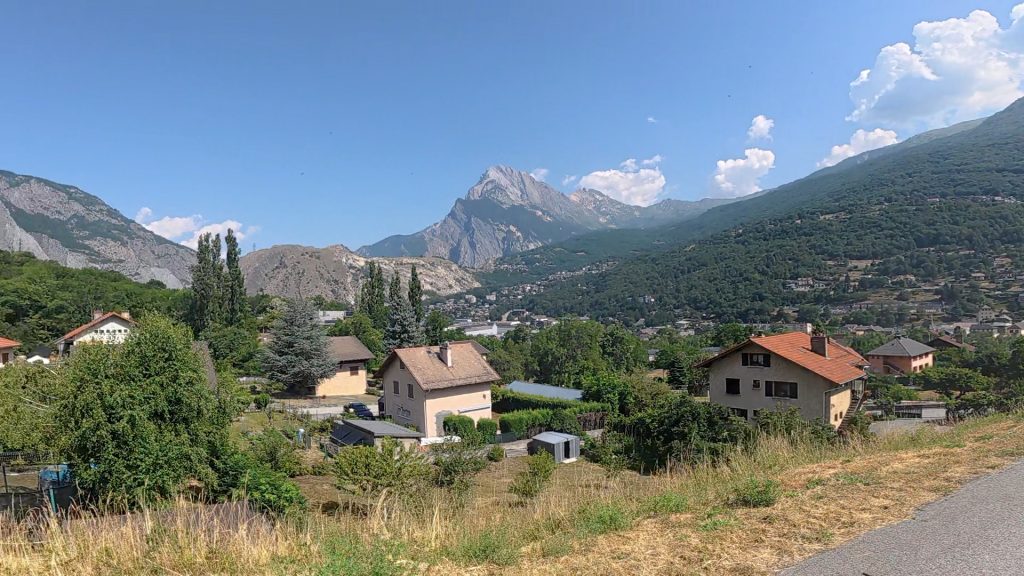
This is actually only the first part of the total climb: 11.8 km, 846 m, 7.1% average with a brief respite before the Galibier. The tree cover provided welcome shade from the relentless sun. I was holding power reasonably well, though the cadence was lower than planned. After the early chaos on Glandon, I was now steadily passing riders — always a question of whether you’re pacing well or overdoing it.
Col du Galibier
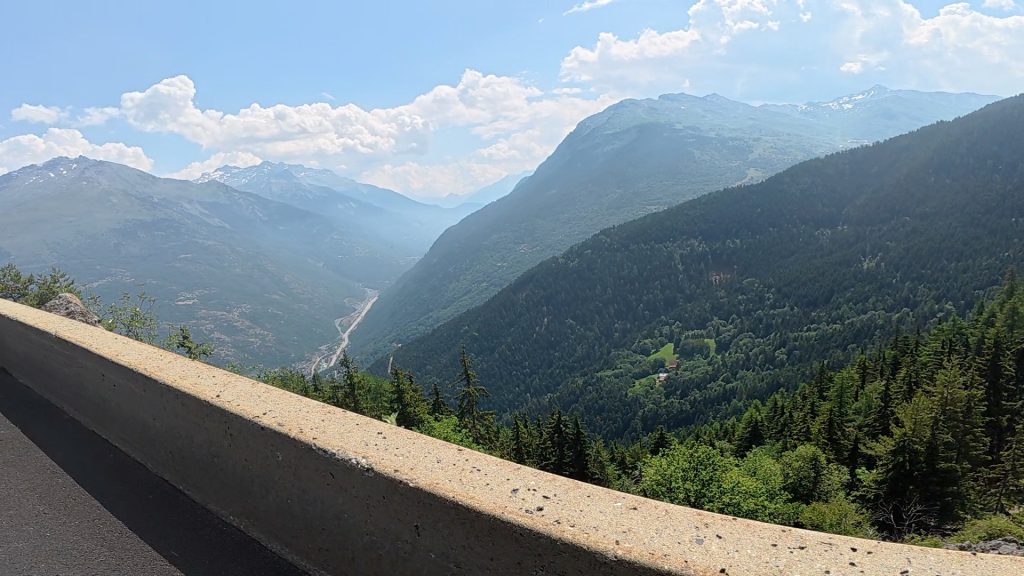
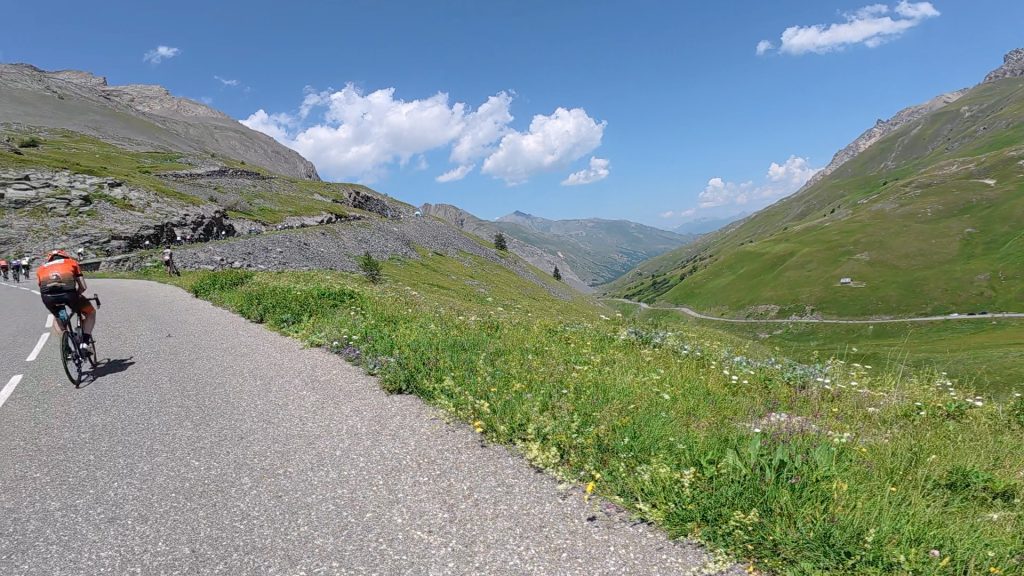
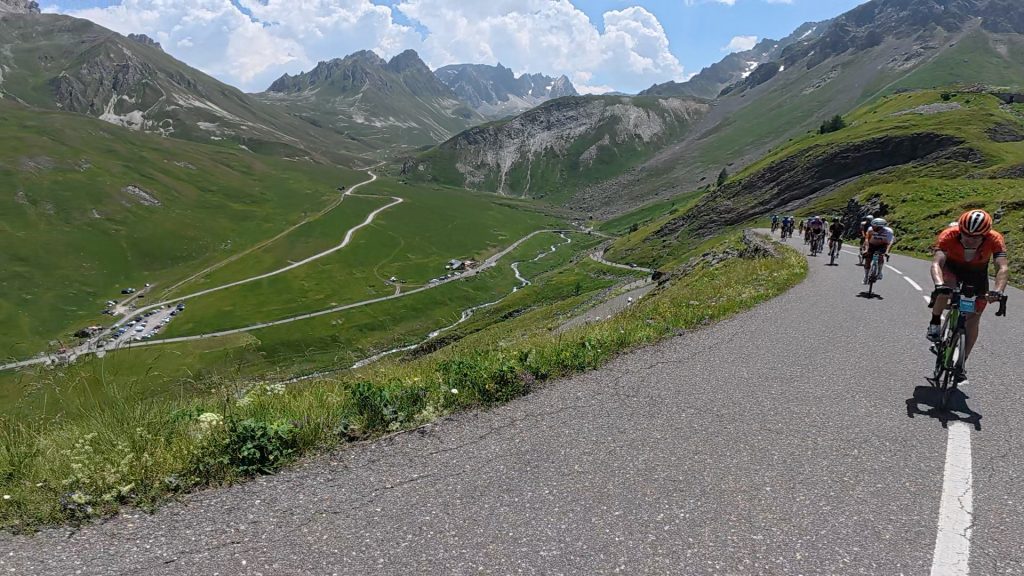
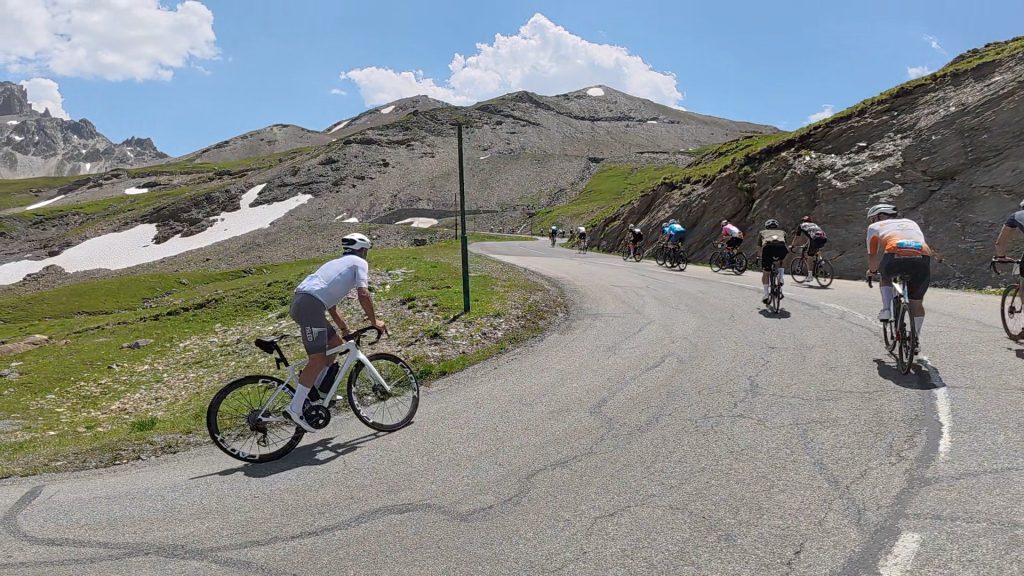
Then the beast. 17.5 km, 1,213 m, 6.9% average, with the final kilometres again over 10%. The trees vanish quickly and you enter a moonscape of scree slopes and vast open ranges. A hush fell over the riders — everyone had heads down, searching for rhythm.
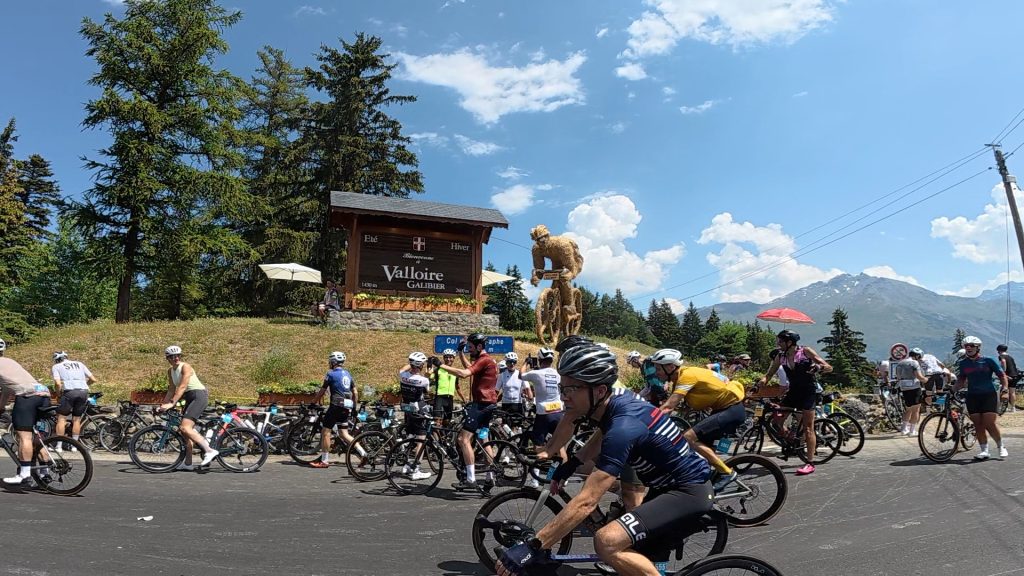
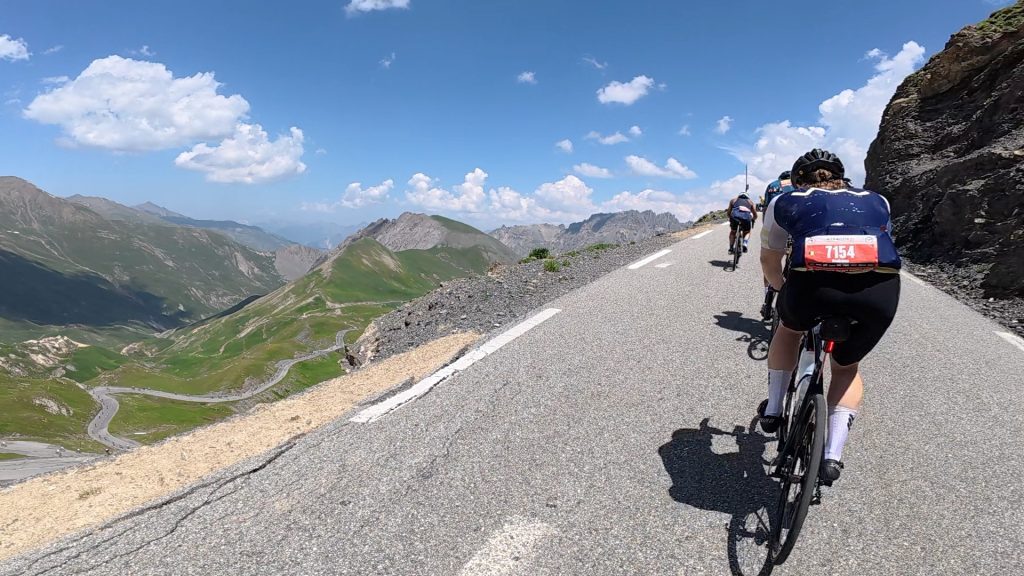
The final 5 km felt endless. Each marker buoyed you briefly before the next switchback crushed the optimism. Reaching the summit felt monumental, 2850m about sea level and on top of the world, I took a brief rest whilst the rider sat next to me was ill and figured it was time to move! A Dutch rider I’d climbed with reminded me to enjoy the descent — “the oven” of the Alpe d’Huez awaited.
The Long Descent & Alpe d’Huez
The descent stretches nearly 50 km, less technical than Glandon but equally stunning and I was able to reach some proper speeds breaking most of my Strava speed/distance PBs. Then the final obstacle: Alpe d’Huez, in the still afternoon sun. This iconic climb needs little introduction: 13.8 km, 8.1% average, 21 hairpins, max 13%.
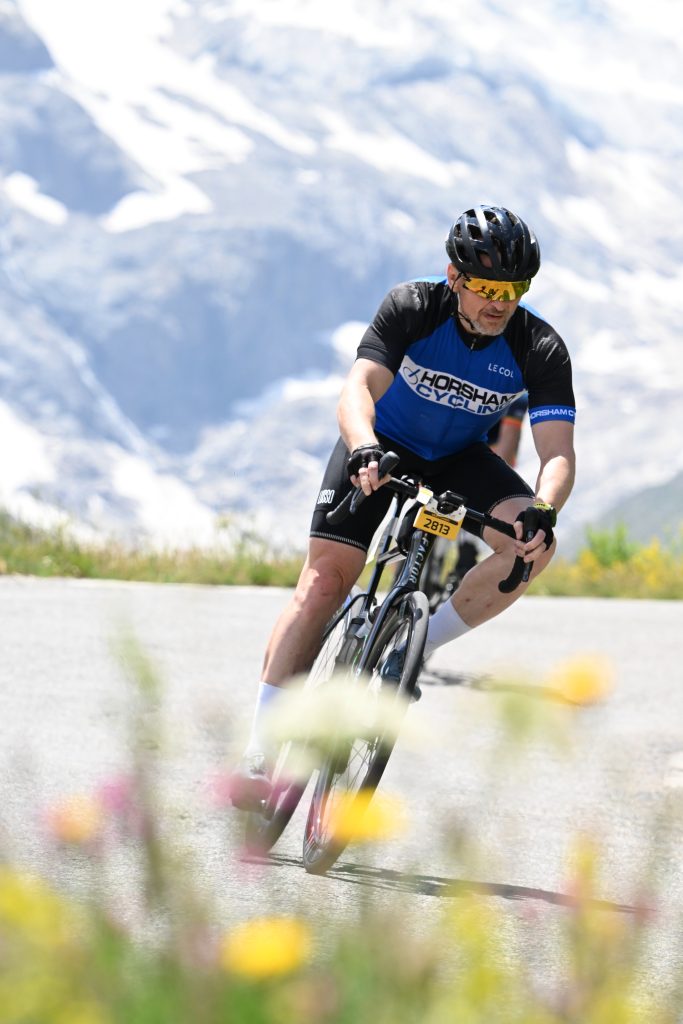
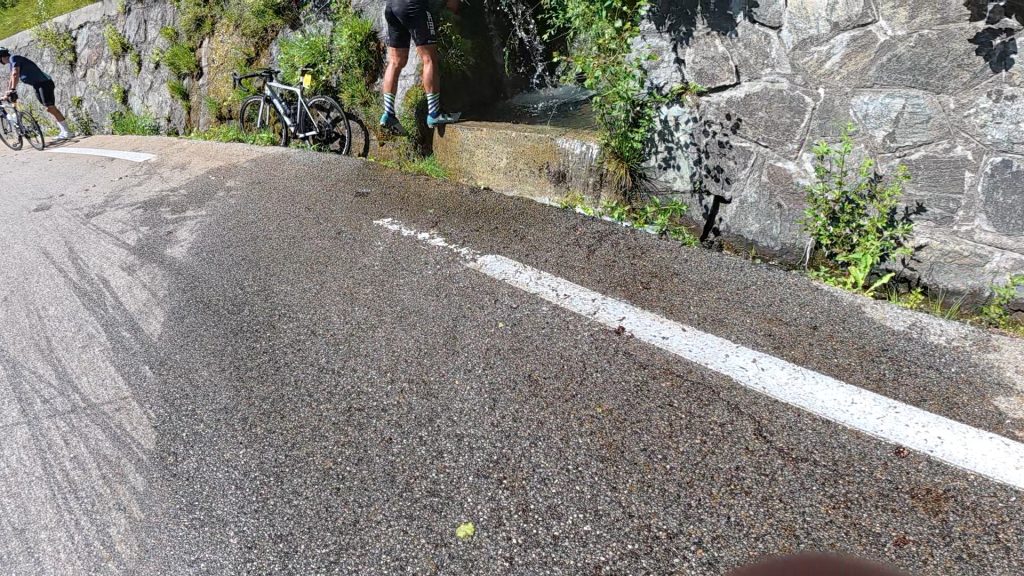
I’m not going to sugar coat it, this climb was attritional, my power was still manageable, but the day’s low cadence — often around 60 rpm — had taken a toll on my back, it was locked in and alongside the general fatigue and heat – I was suffering. I’d promised my wife I’d look after myself, and when I shivered unexpectedly despite the temperature, I heeded the warning signs and started to take advantage of the regular cooling gifts of the mountain water gullies. These cold mountain streams running from the rocks were the best cooling showers I’ve ever had in my life.
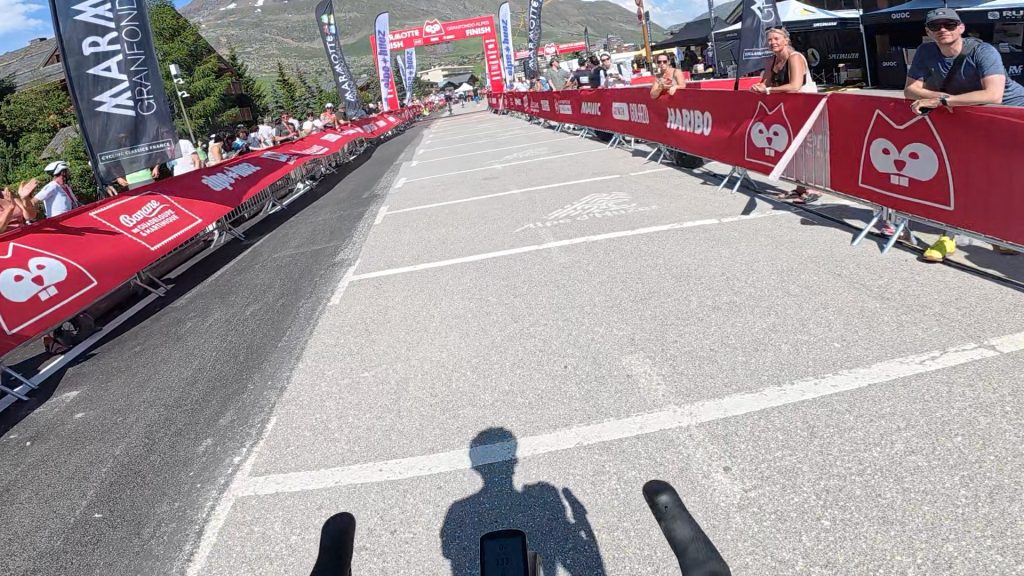
I Slowly, steadily, I worked my way up. Reaching the final turn 2 — where I’d done my leg‑loosener the day before — I knew I’d make it. Passing our hotel, I saw Kath cheering, as always with these things I got a little overcome by the emotions – I’d done it.
Reflections
La Marmotte is simply the greatest thing I’ve ever done on a bike. I have not stopped thinking about it since I’ve returned home. If you think you might have the legs, it deserves a place on your cycling bucket list. It was tough but it only got this way with the finish in site – the attrition rate this year was almost a third but don’t let this put you off, one chap I spoke with after had only finished once in five attempts but kept coming back.
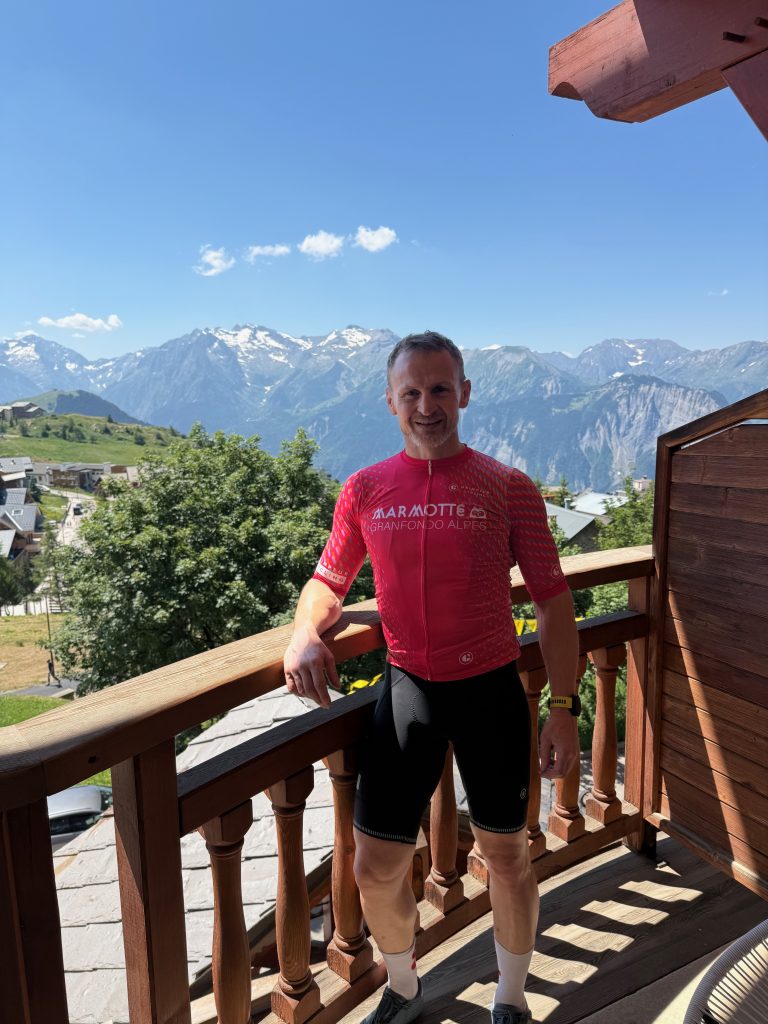
A club member jokingly told me in the run up to ‘not let the club down’. I don’t think I did and I was proud to wear the jersey and just wanted to say how much it helped on the day with numerous other riders opening conversations about their connections to our town.
There is definitely the feeling left that I could do better and I’m already planning for next year, it would be great to see you there!
Leave a Reply